


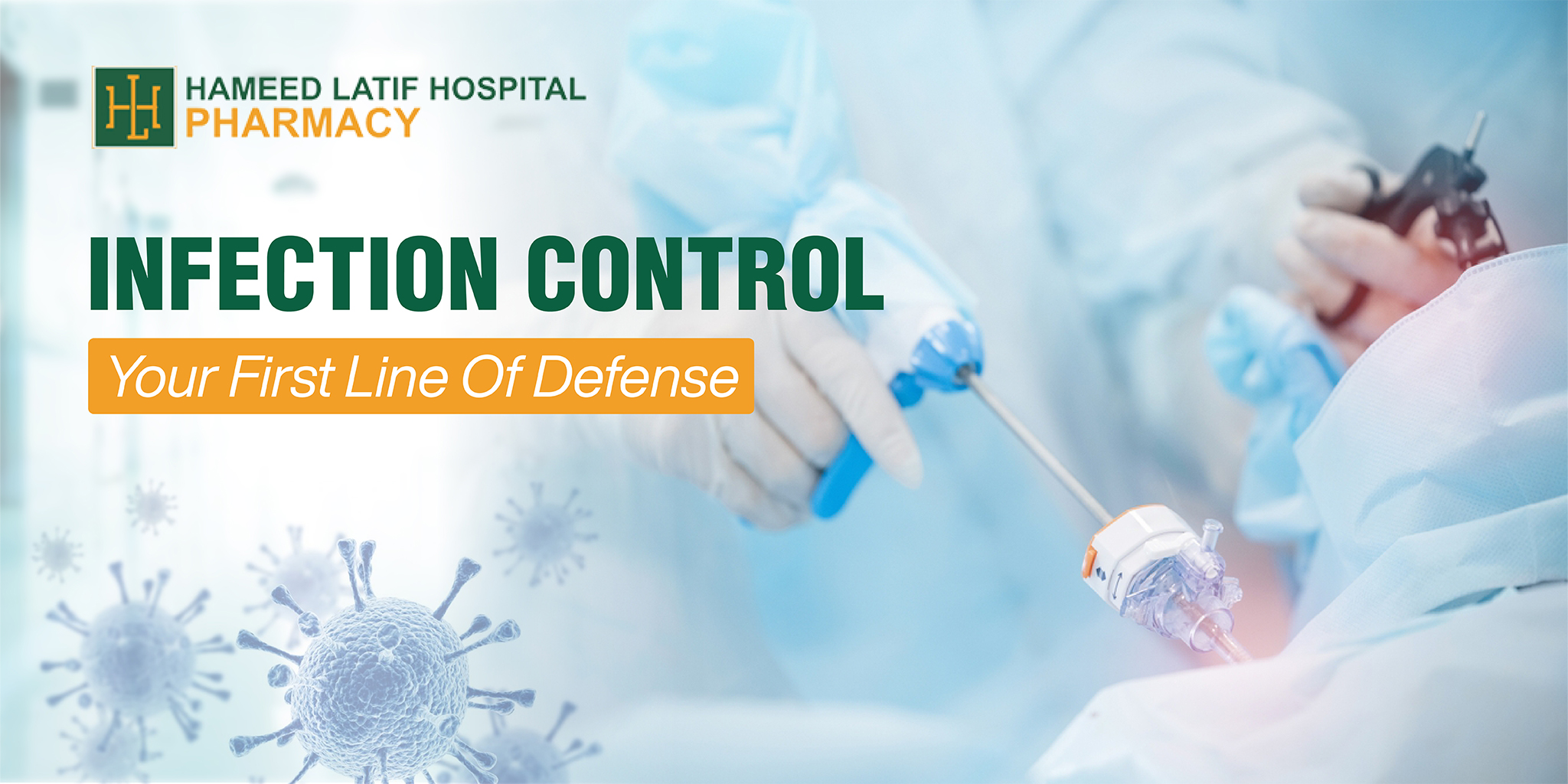
Maintaining proper infection control is crucial for OT operations. The operation room is an environment where a patient’s natural defenses are temporarily bypassed. An incision provides a direct route for pathogens to enter the body making the patient highly susceptible to surgical site infections.
THE PILLARS OF OT INFECTION CONTROL
Proper infection management covers a wide spectrum of actions from personal hygiene to environmental control.
Following measures are crucial for personal hygiene:
(1)HAND HYGIENE
Proper hand hygiene is a critical element in infection control. Staff should always wash hands after every interaction with patient.
(2)PROPER PERSONAL PROTECTIVE EQUIPMENT
Staff should maintain proper surgical attire which includes surgical scrubs, head covering, face masks, eye shield, foot wears and disposable gloves.
(3)PERSONAL CLEALINESS AND RESTRICTIONS
Staff must not wear jewelry and accessories in the OT. Finger nails must be kept short, outdoor clothing should be worn under the scrubs and additionally staff with any active respiratory infections or flu must not be allowed to enter the OT.
The following are the measure for environmental control:
(1)ASEPTIC ZONE
OTs are aseptic areas where no random person is allowed to enter except for the staff with proper surgical attire.
(2)PROPER STERLIZATION OF OTS
Most of the times OTs appear visibly clean, but micro-organisms (like bacteria, viruses etc.) which are not visible to the naked eye are removed by using chemicals like formalin and a variety of fumigation are used to make OTs safe and ready for surgical procedure and this process is repeated after every surgery.
(3)STERLIZED EQUPIMENT
Sterilized surgical instruments are used for surgical procedures. Instruments after surgical procedure may contain many bacteria and viruses capable of spreading if not properly removed. For proper sterilization, instruments are first washed to remove visible dirt, blood and then transferred to C.S.S.D department for proper sterilization.
SHARED RESPONSIBILTY
‘‘Infection control is not the sole responsibility of infection control department’’. It is a shared responsibility of all staff, including surgeons, anesthesiologists, the scrub nurse, the circulating staff and cleaning staff to maintain sterilization for own protection and for the protection of patient.
Author: Faiz Habib (Pharmacy Assistant)